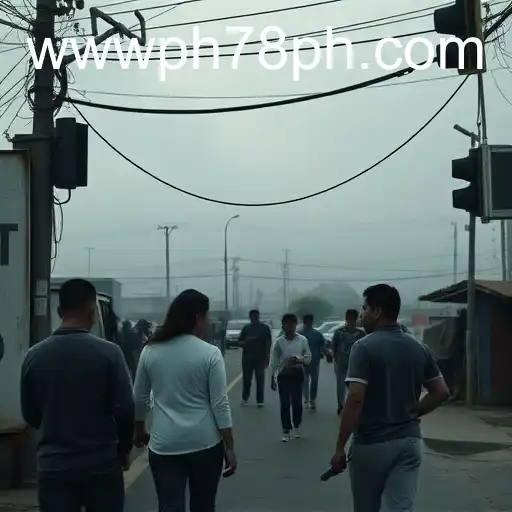
The Intricate Web of Jueteng in the Philippines: A Closer Look at PH78
Understanding Jueteng
Jueteng is a popular yet illicit numbers game in the Philippines that has managed to thrive for decades despite numerous governmental crackdowns. Equally entrenched in local culture and controversial politics, jueteng holds a complex position within Filipino society, often captured under identifiers such as "PH78" in recent discussions around its influence and operations.
Jueteng and Society
Jueteng is more than just a gambling racket; it is a social issue intertwined with the economic and political realities of the country. Many people in less affluent communities find themselves both participants and victims of this game. Its simple allure and potential for quick wealth draw in a wide range of players, supporting an underground economy rife with illegal activities.
The game's mechanics are straightforward: Players bet on combinations of numbers, and if their numbers are drawn, they can win substantial cash prizes. There are no receipts, no legal protections, just the intricate trust within a community-led cycle of chances and outcomes.
The Role of Jueteng in Politics
Jueteng's persistence could largely be attributed to its deep-rooted connections within political landscapes. Politicians leveraging this network often find a clandestine ally in their dealings, either through direct financial aid or the indirect benefit of maintaining influence in communities dependent on the jueteng economy. Throughout different administrations, attempts to eradicate jueteng have met with limited success. These efforts are often sabotaged by insiders within law enforcement and politics who profit from the status quo.
PH78: A Modern Narrative
The term "PH78" has increasingly been utilized in discussions about jueteng in modern times, symbolizing not just a codename for operations but also a focal point for anti-corruption advocates aiming to highlight the widespread entrenchment of such activities. By using this identifier, activists and media bring to light the ever-evolving methods by which jueteng persists despite growing scrutiny.
PH78 aptly signifies a threshold, a code for understanding how well-connected and sophisticated these gambling networks are within local territories and national frameworks. Its mention in discussions sends a signal for reform-oriented stakeholders to be vigilant and proactive.
Community Impact
While jueteng may offer short-term financial gains for winners, it perpetuates a cycle of poverty and dependence. Beyond individual bettors, entire communities are consciously or subconsciously molded by its presence. Many local leaders grapple with the dual reality of relying on jueteng as an economic stabilizer while also acknowledging its damage to social fabrics. The allocation of resources towards clamping down on jueteng is often pitted against pressing needs for community development, creating a policy quagmire.
Fighting Jueteng: Strategies and Pitfalls
For any significant progress against jueteng, policy approaches must be multifaceted. Strategies range from implementing comprehensive education campaigns to fostering economic opportunities that reduce reliance on illegal gambling. The draw of quick wealth can be countered through sustainable development plans that offer more assured, long-term financial security for individuals.
However, the potential for setbacks remains high as vested interests and systematic corruption prevent decisive action. Therefore, establishing transparent governance protocols and a robust judicial system to hold violators accountable is essential to ensuring comprehensive reform.
Conclusion
Understanding the complexities surrounding "PH78" and jueteng offers a clearer picture of the broader challenges faced when addressing illegitimate activities deeply rooted in culture and society. Ongoing efforts remain crucial for understanding how past approaches can inform future legislation and policy-making, aiming ultimately toward a country where such games no longer dictate the socio-economic realities of its people.